
Green tones, natural textures, and plant-filled spaces are redefining modern homes in 2025.
Biophilic design has officially moved from trend to lifestyle. As people crave calm, grounding spaces, we’re seeing a major rise in interiors that blur the line between indoors and outdoors. From lush houseplants to organic materials, this nature-inspired design approach brings warmth, wellness, and serenity into every corner of your home.
If you’re ready to refresh your space with earthy elements and soothing greenery, here’s how to easily (and beautifully) incorporate biophilic design into your home.
🌿 What Is Biophilic Design?
Biophilic design is all about strengthening our connection to nature. This style creates environments that promote wellbeing by mimicking natural elements:
- Soft, earthy color palettes
- Natural materials like wood, stone, clay, linen
- Indoor plants and greenery
- Organic textures and flowing shapes
- Natural light and airflow
It’s calming, grounding, and scientifically linked to improved mood, focus, and relaxation—one reason it’s exploding in popularity.
🌱 Trending Biophilic Design Elements for 2025
1️⃣ Fill Your Home With Lush Greenery
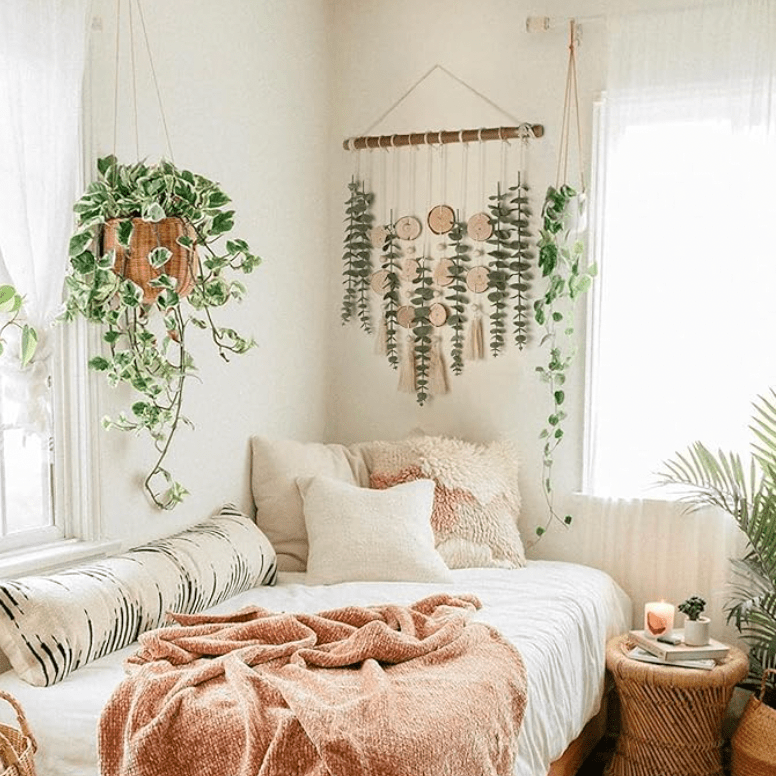
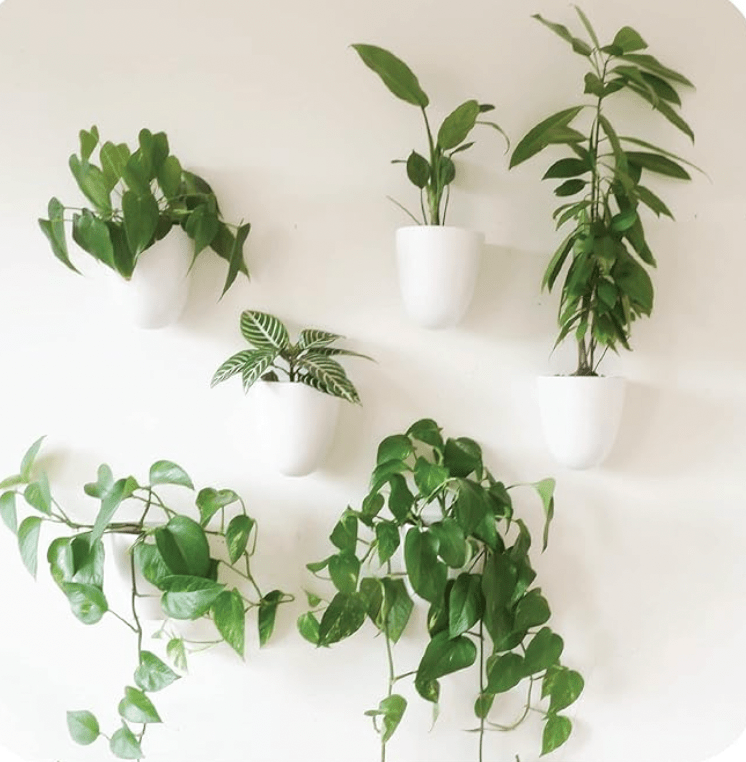
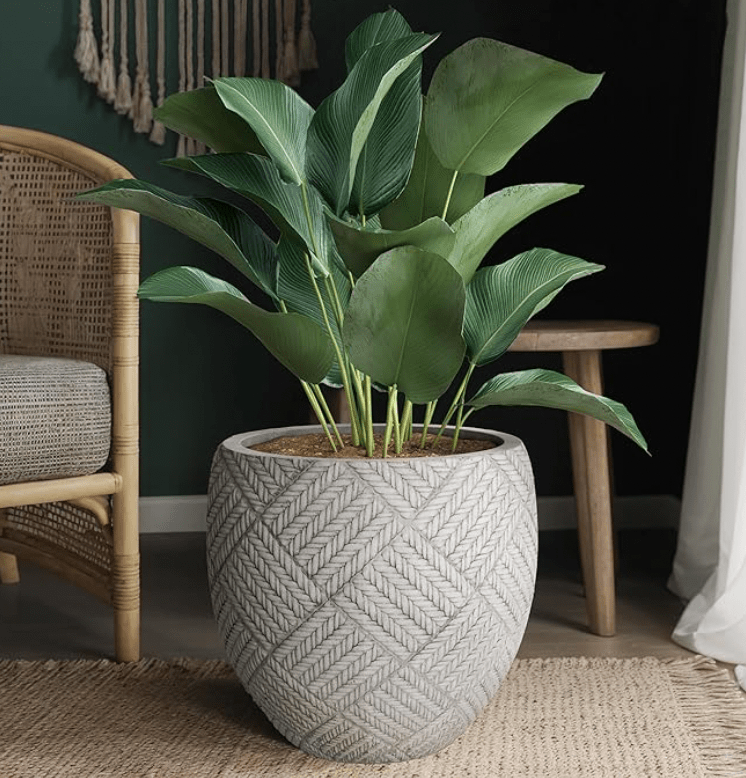
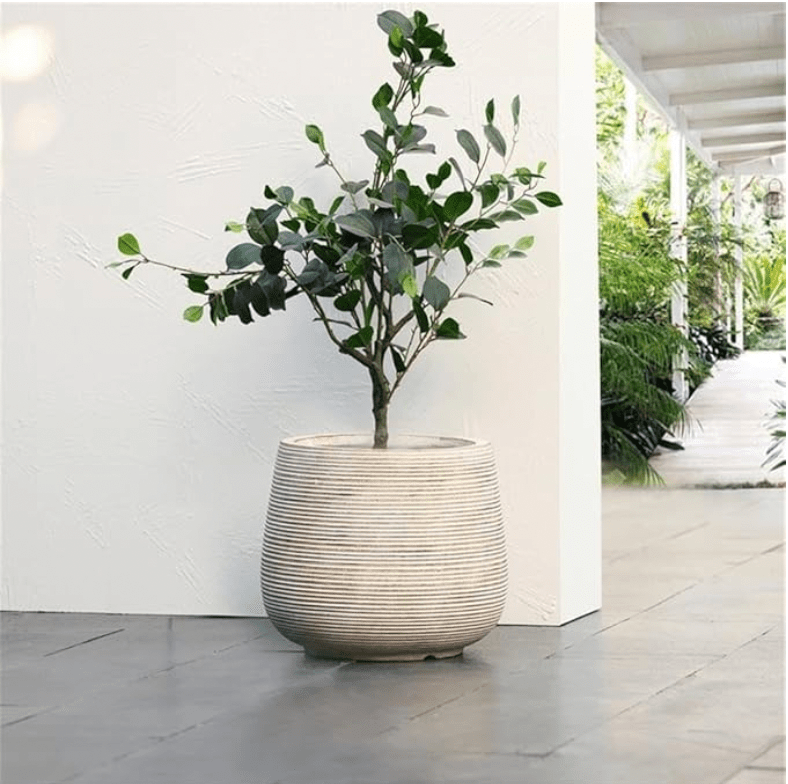
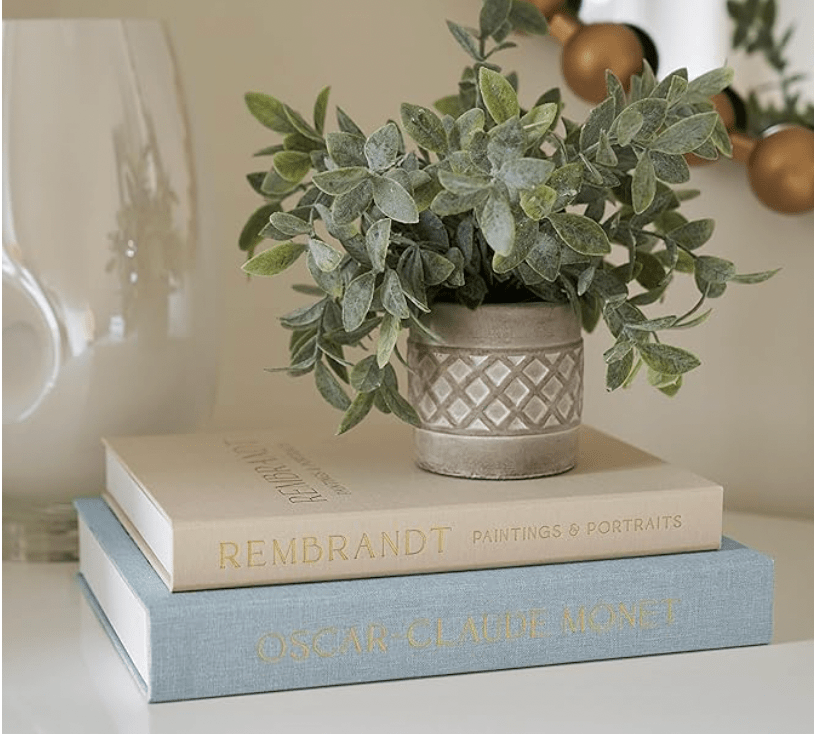
Plants are the heart of biophilic design. They add color, boost air quality, and create a natural sense of life within your home.
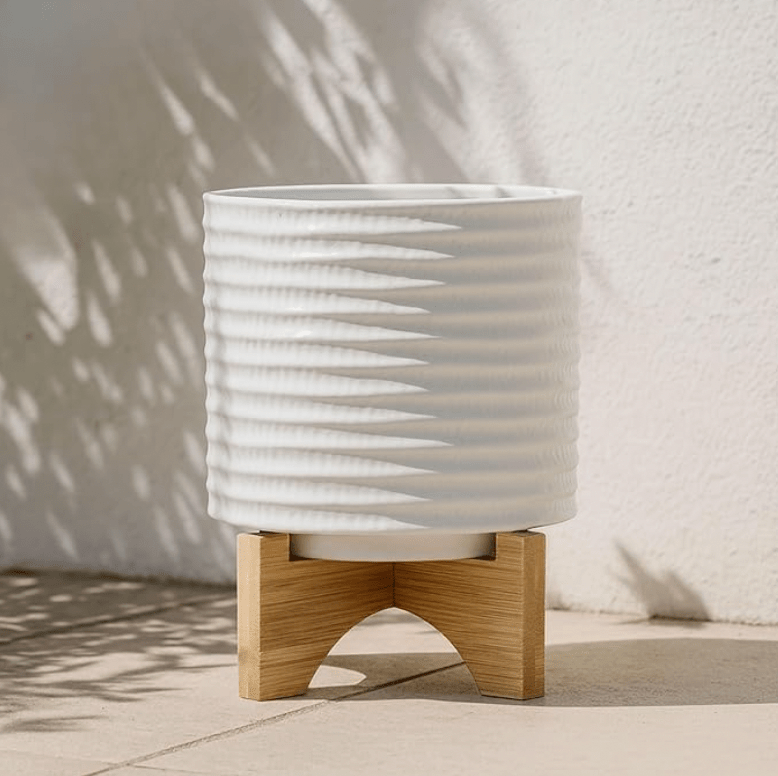
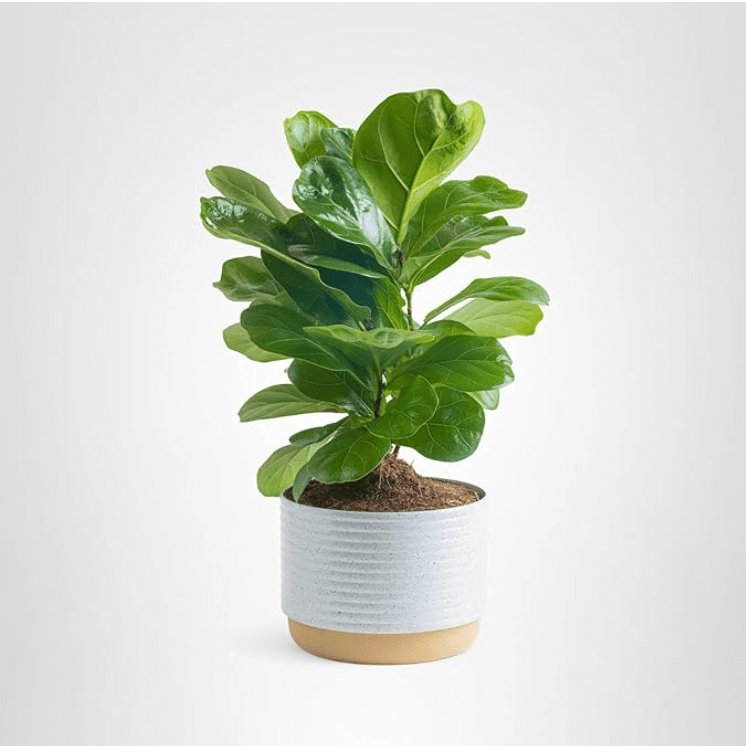
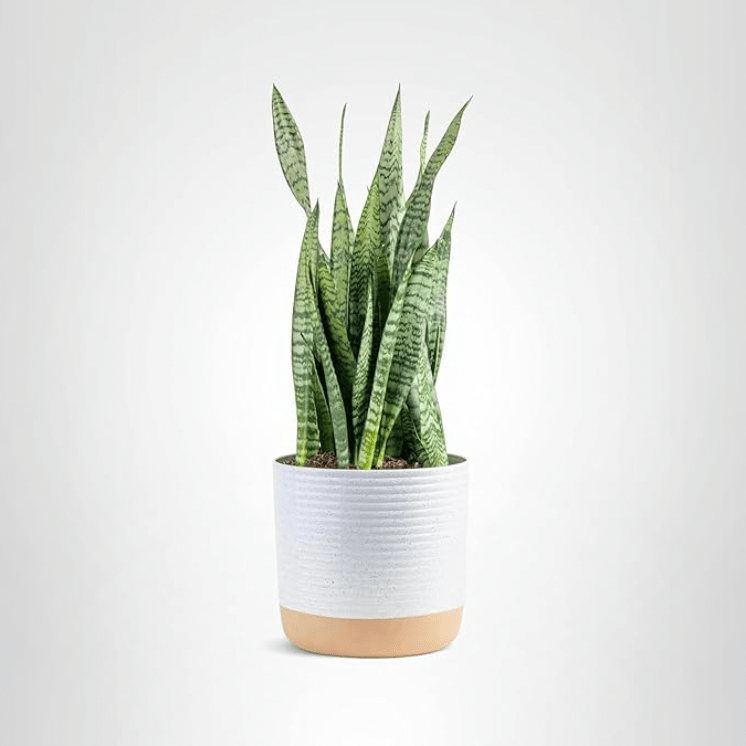
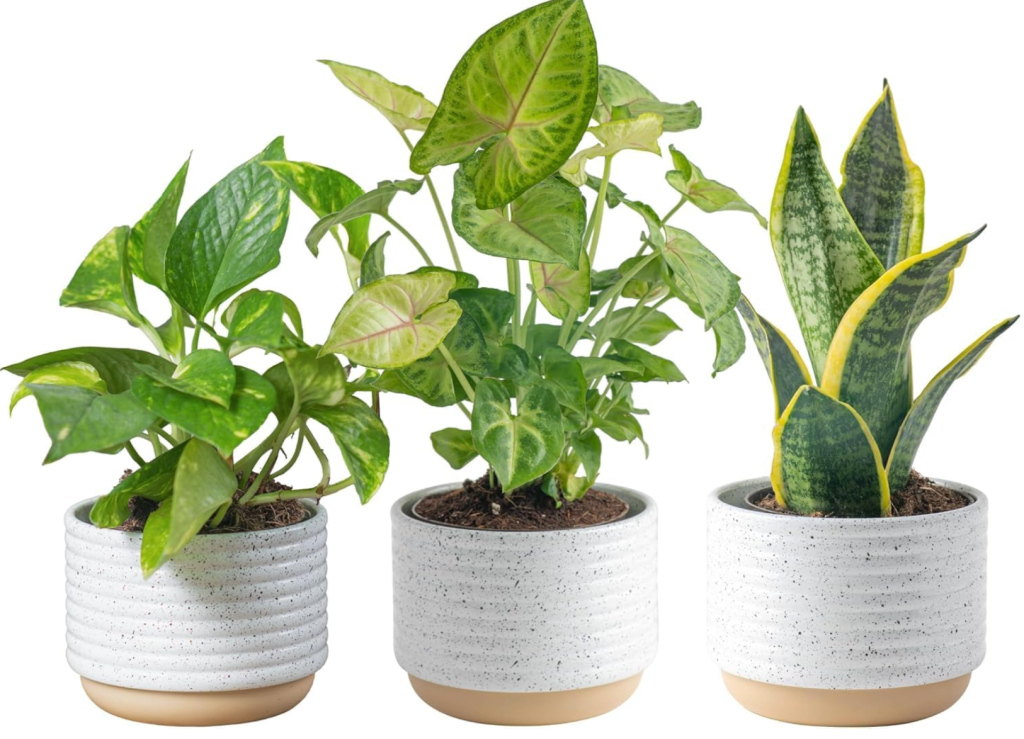
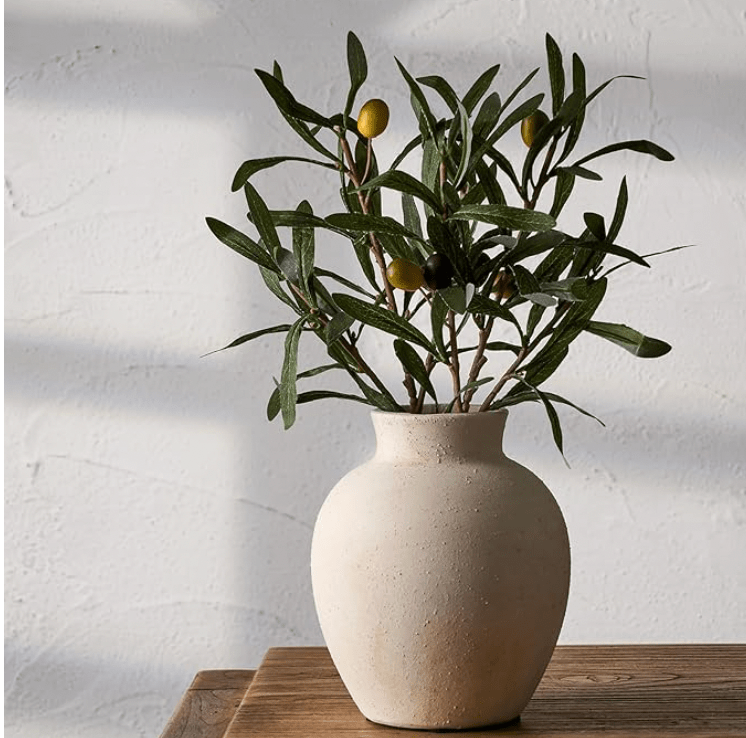
Try using textured an interesting pots: Here
Try incorporating:
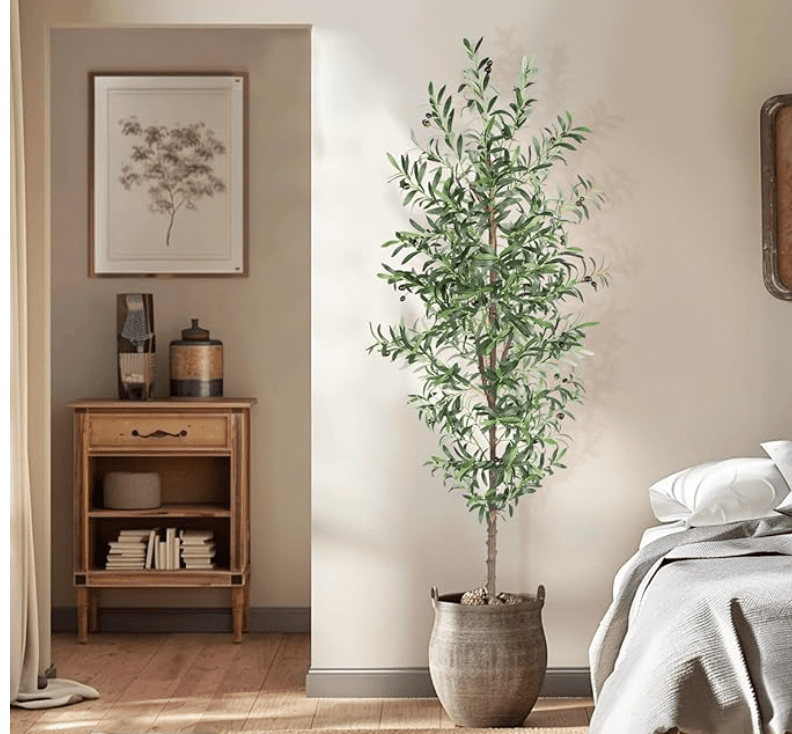
- Statement plants (fiddle leaf fig, monstera, bird of paradise)
- Small shelf-friendly plants (pothos, peperomia, ferns)
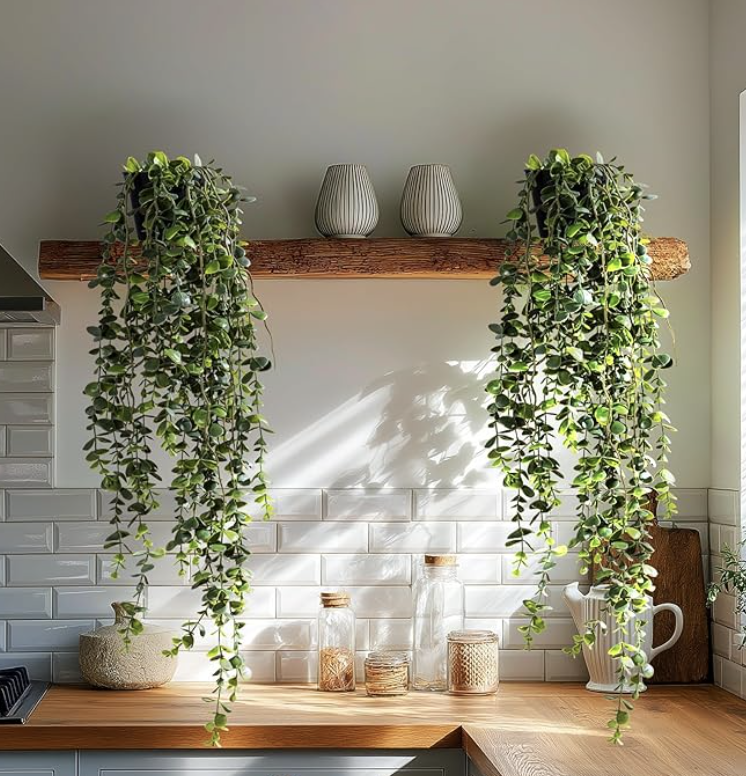
- Trailing vines over bookcases or cabinets
- Herb gardens in kitchens or windowsills
If you don’t have a green thumb, opt for high-quality faux plants—they still provide the aesthetic warmth without the maintenance.
2️⃣ Use Natural Materials Everywhere You Can
Biophilic design thrives on organic textures and materials that reflect the natural world.
Add materials like:
- Raw or light wood
- Stone countertops or décor
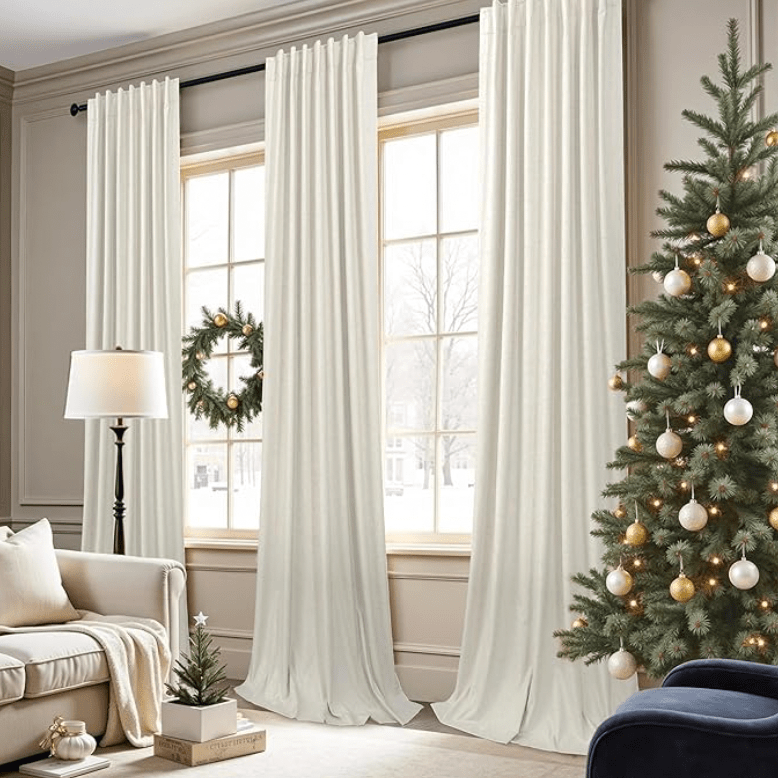
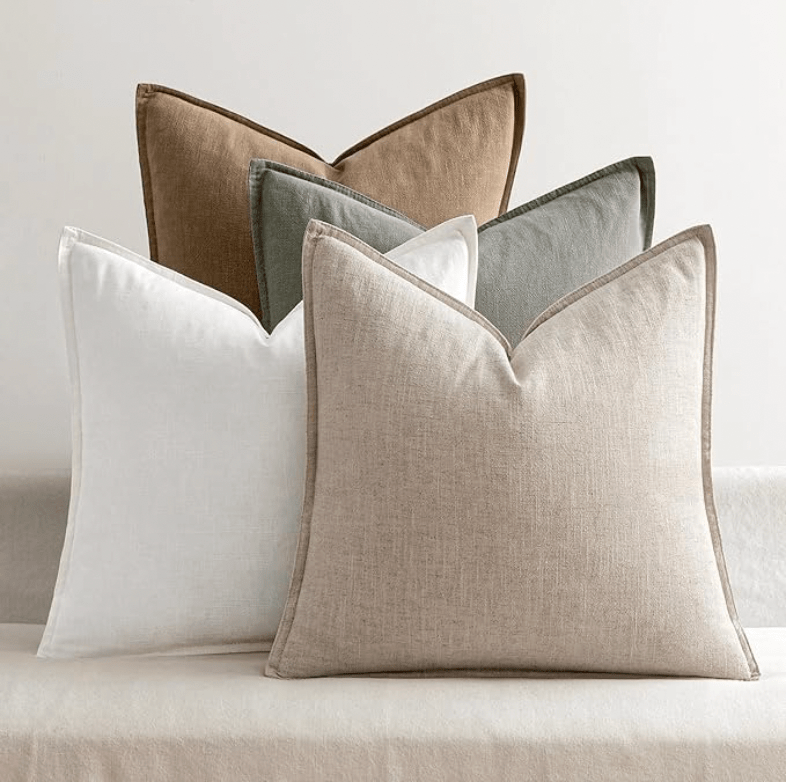
- Linen and cotton textiles
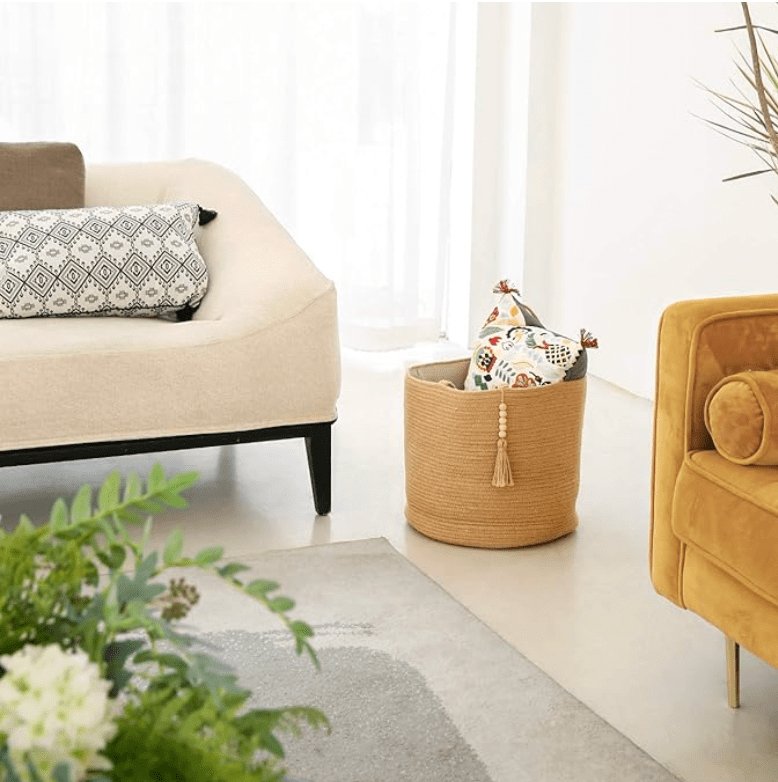
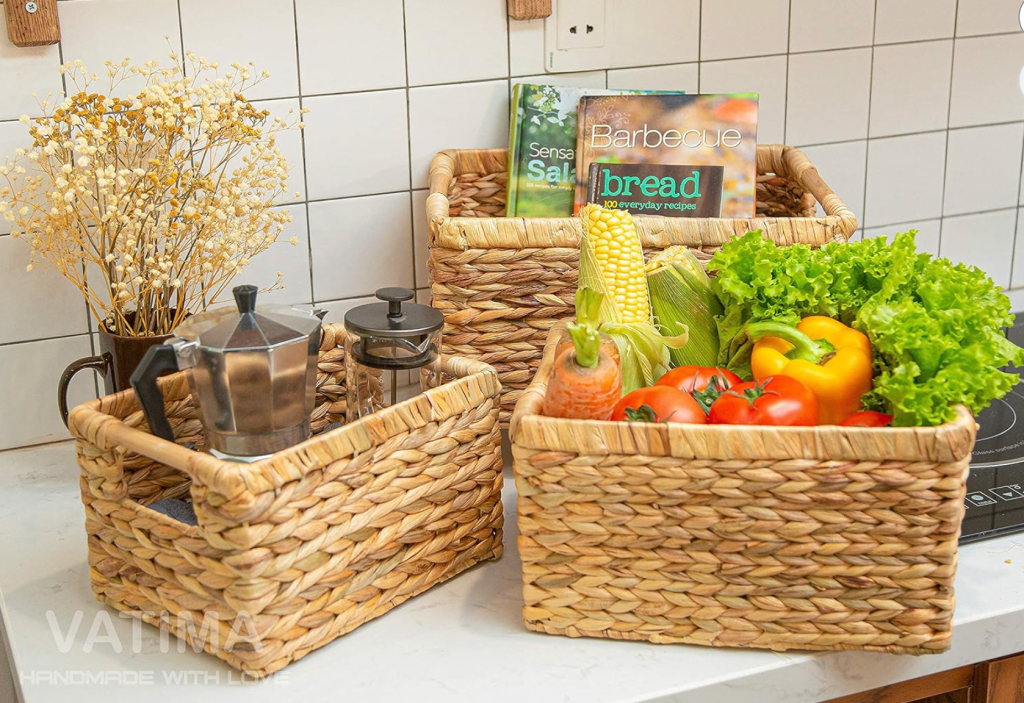
- Woven baskets and natural fibers
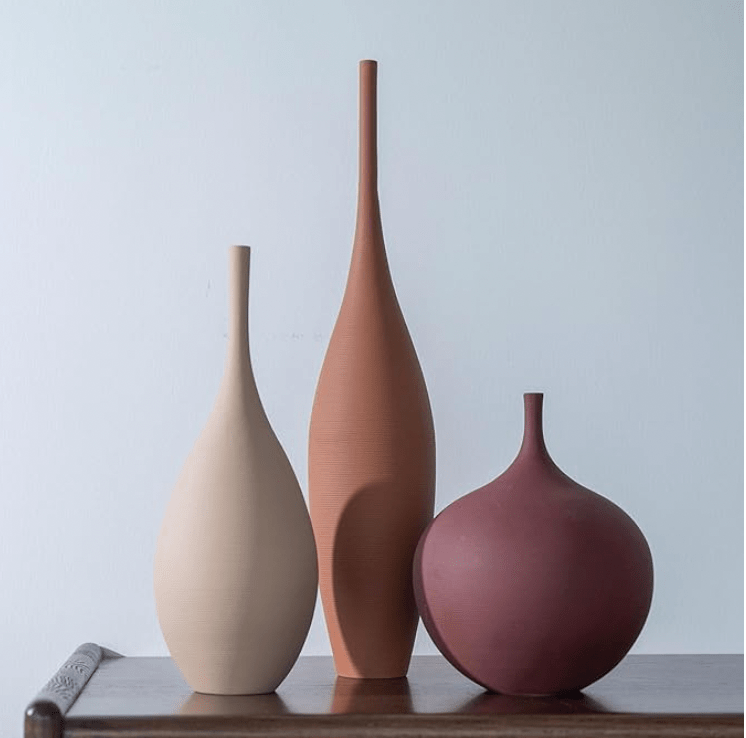
- Clay pottery or handmade ceramics
These materials instantly soften a room and make it feel more grounded and balanced.



3️⃣ Embrace Earthy, Calming Color Palettes
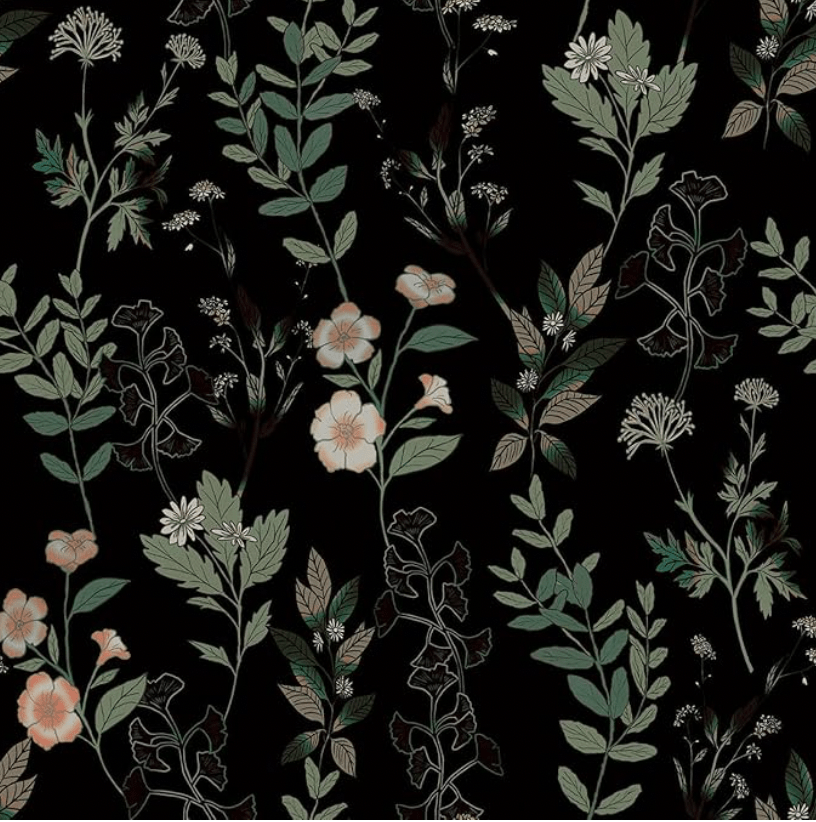
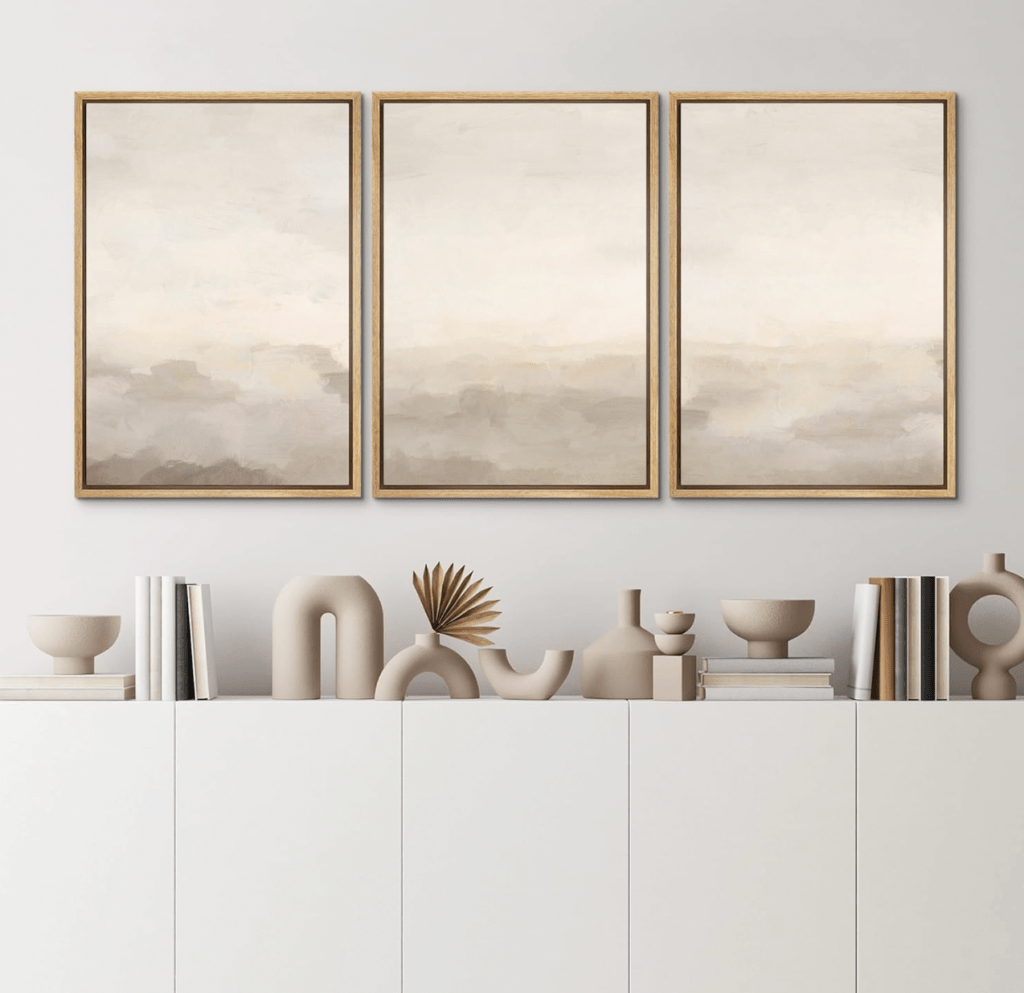
The color of nature is trending—especially warm, soothing greens.
Biophilic color favorites:
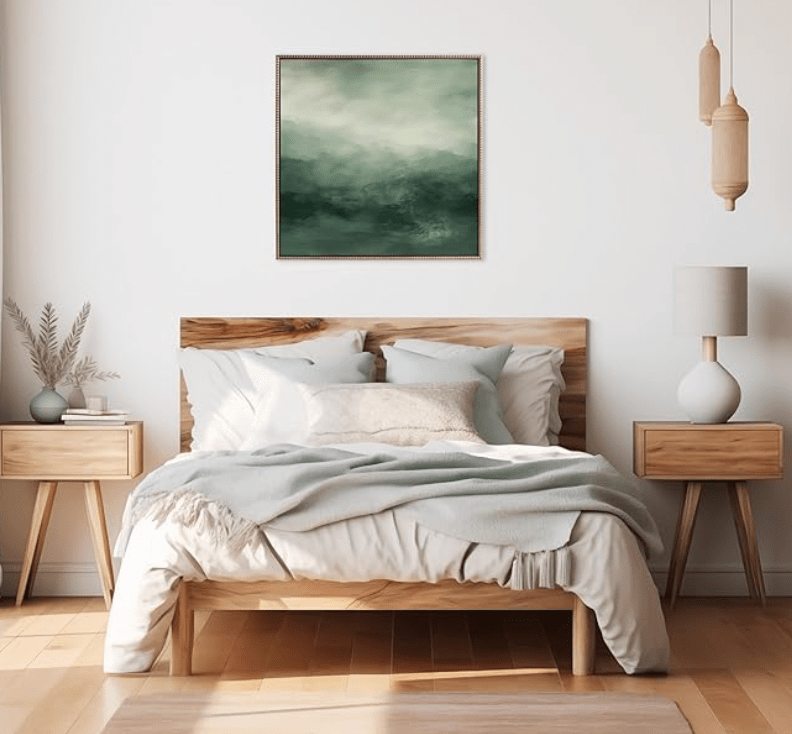
- Sage green
- Deep forest green
- Warm beige
- Terracotta
- Sand + stone tones
- Soft browns and tans
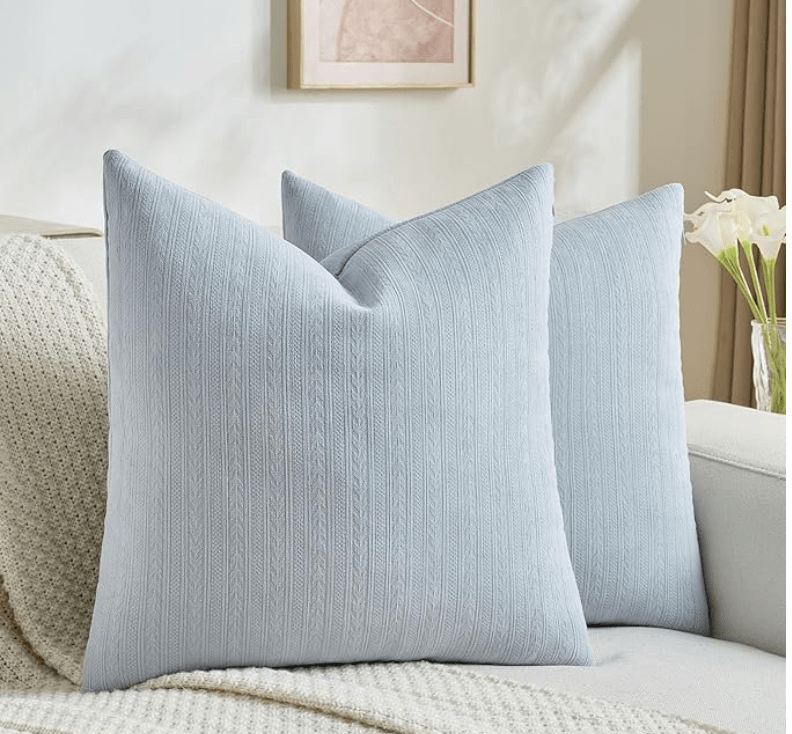
- Muted blues (sky and water-inspired)
Even small touches—like a throw pillow or painted accent wall—can transform a space into a peaceful retreat.

4️⃣ Let Natural Light Be the Star
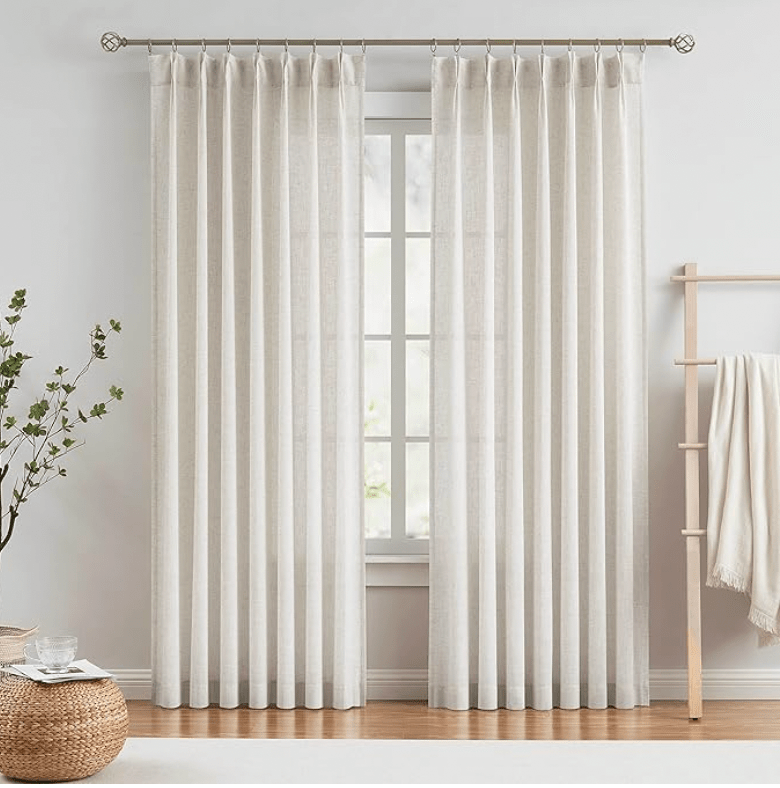
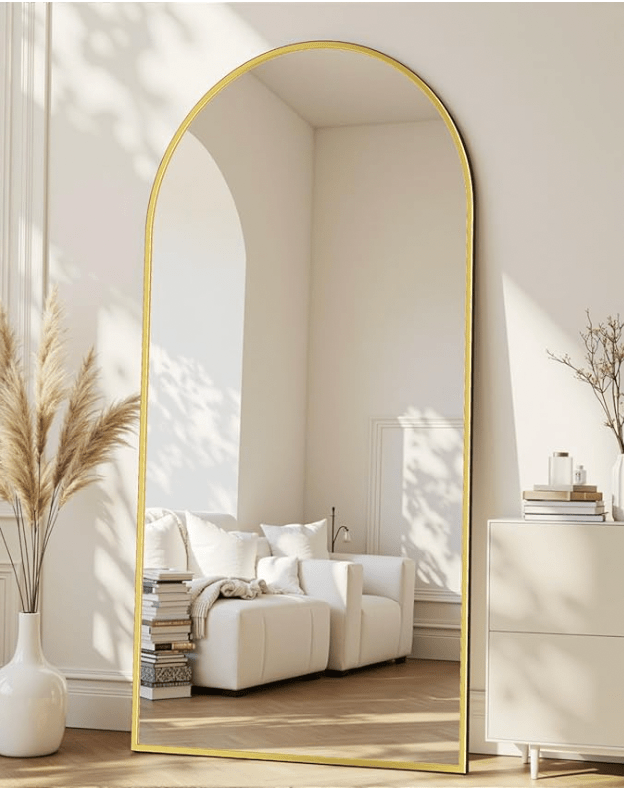
Natural light is essential in biophilic design. It opens up rooms, brightens plants, and boosts mood.
To maximize light:
- Use sheer curtains instead of heavy drapes
- Add large mirrors to reflect sunlight
- Keep window areas clear of clutter
- Choose light, airy paint colors
If you don’t have much natural light, incorporate warm, soft LED lighting to mimic sunlight.
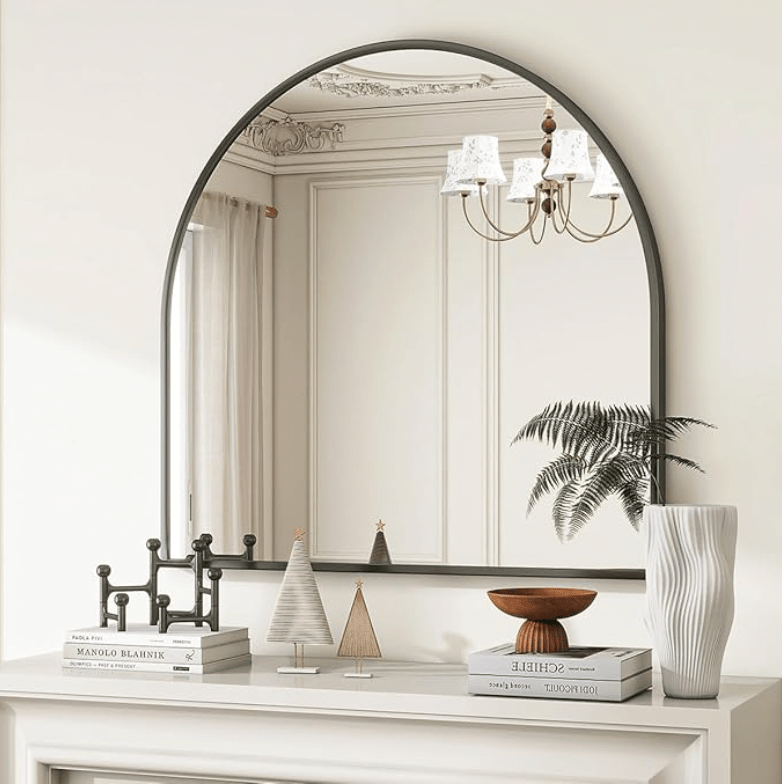
5️⃣ Add Organic Shapes and Curves
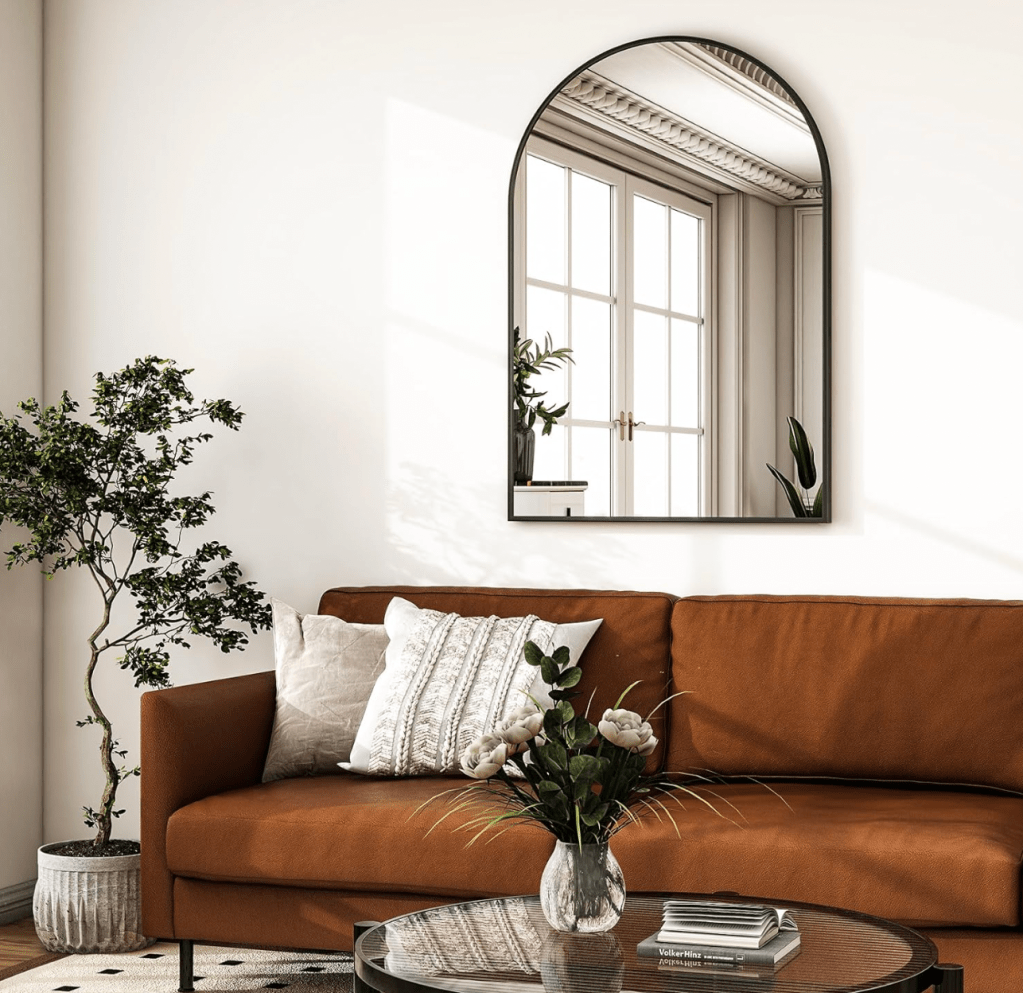
Nature rarely creates hard lines—so biophilic interiors include soft, flowing forms.
Look for:
- Curved sofas or chairs
- Round coffee tables
- Wavy mirrors
- Sculptural lighting
- Artwork with natural, fluid lines
These features add visual harmony and a relaxed, effortless feel.
6️⃣ Create Indoor-Outdoor Flow
Even small changes can help your home feel more connected to nature.
Example ideas:
- Use similar color palettes inside and out
- Add greenery near windows to extend visual lines
- Install sliding doors or large windows
- Bring in outdoor furniture elements like woven textures or teak wood
This creates a seamless transition that feels expansive and calming.
🌿 Where to Use THIS Design
Biophilic elements work beautifully in every room—especially in high-stress or highly used spaces like:
- Living rooms: plants, natural fibers, soft green walls
- Bedrooms: linen bedding, calming colors, warm wood tones
- Bathrooms: stone details, greenery, spa-like scents
- Kitchens: indoor herb gardens, wooden accents
- Home offices: natural light, plants, earthy color palettes
Start small or go all-in—both approaches create impact.
🌱 Final Thoughts: A Calmer, Greener Home
Biophilic design isn’t just a style trend—it’s a shift toward creating spaces that nurture our wellbeing. With plants, natural textures, organic forms, and warm green tones, you can build a home that feels peaceful, grounded, and deeply connected to nature.
This post may contain affiliate links. If you make a purchase through these links, I may earn a small commission at no additional cost to you. Thank you for supporting DesignDay.blog.
 designday.blog