
Organic modern living rooms have a way of feeling effortlessly calm, warm, and elevated, without looking over styled or trendy. While the look may seem simple, designers rely on a few intentional rules to get it right.
If you’ve ever wondered why some organic modern spaces feel timeless while others fall flat, these are the core design rules designers swear by when creating an organic modern living room.
1. Start With Warm Neutrals, Not Stark White
Organic modern design begins with a soft, warm foundation. Instead of crisp white walls, designers favor shades like warm ivory, cream, greige, or soft taupe.
These warmer neutrals:
- create a more inviting atmosphere
- pair better with natural materials
- prevent the space from feeling cold or sterile
Think of your walls as a backdrop that allows texture and shape to shine.
2. Anchor the Room With One Natural Material
Every organic modern living room needs an anchor — usually one dominant natural material that grounds the space.
Popular choices include:
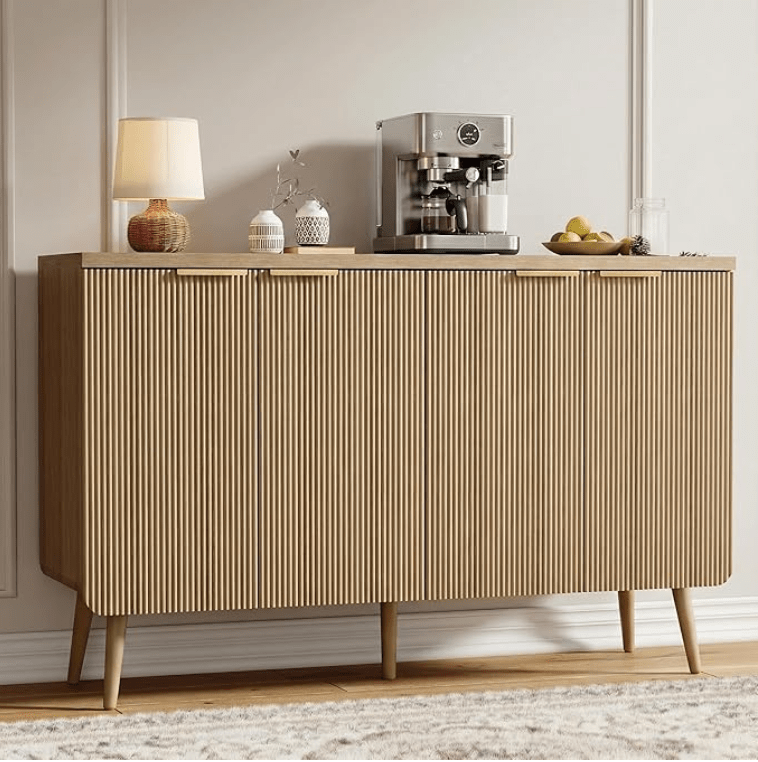
- wood (oak, walnut, or ash)
- stone or travertine
- plaster or limewash finishes
Rather than mixing too many materials, designers choose one main material and let it repeat subtly throughout the room for cohesion.
*All photo links are linked to shop! Or for a curated list, click here!
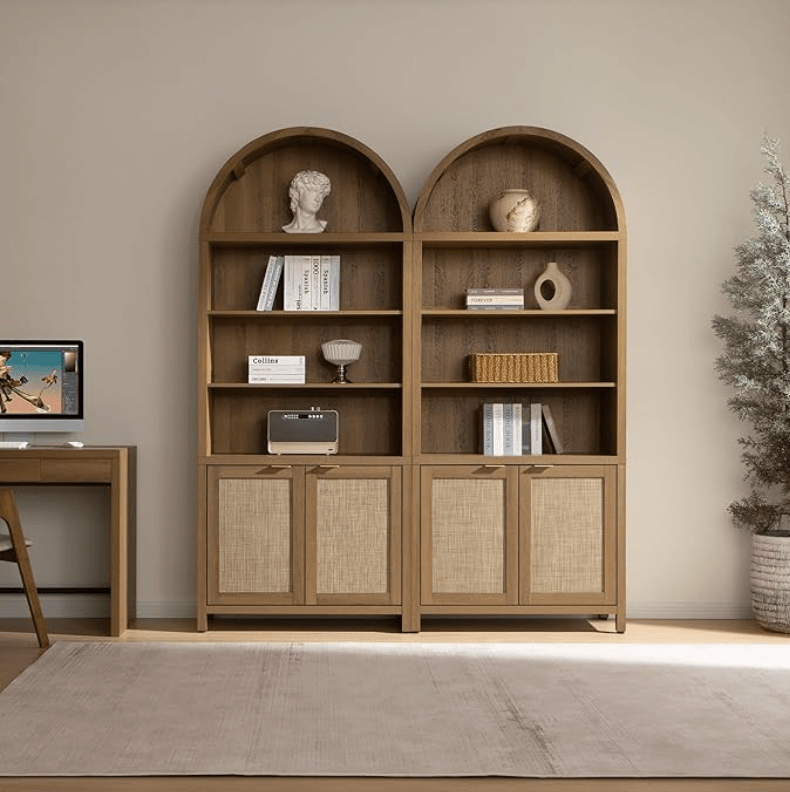
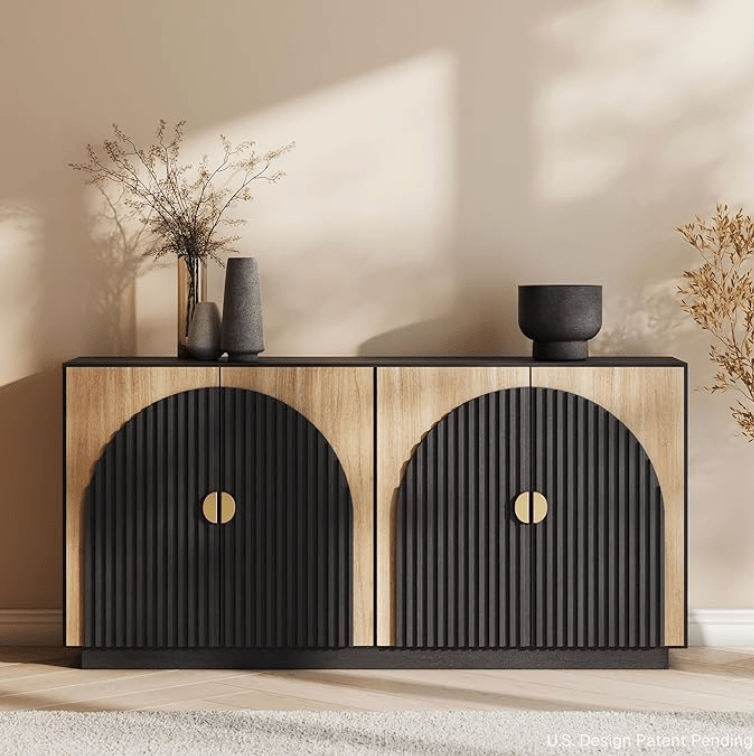
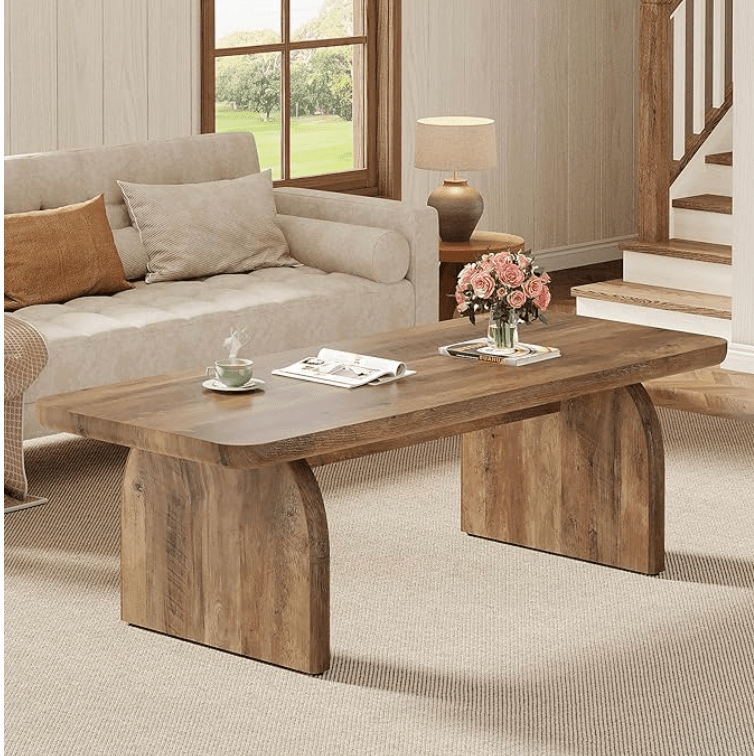
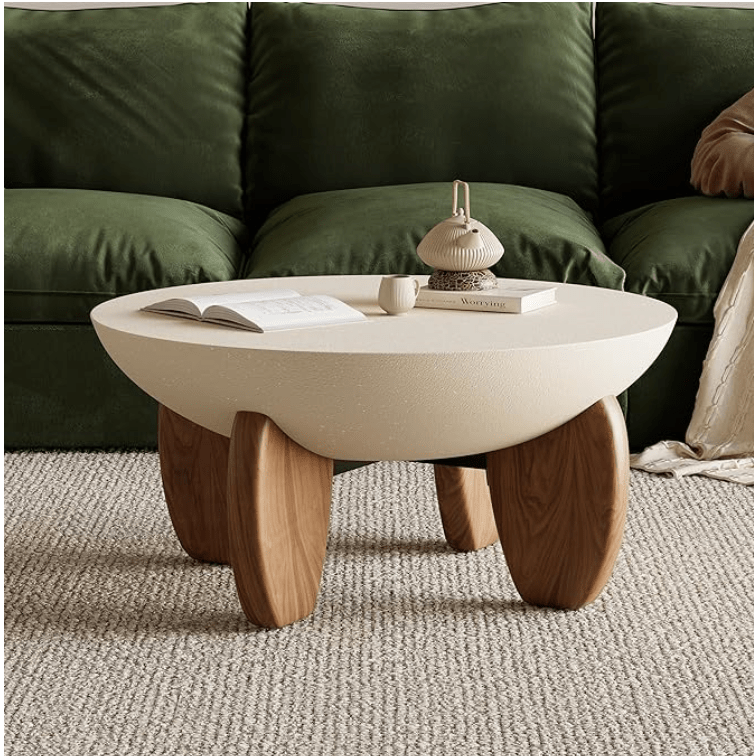
3. Mix Soft and Structured Furniture
Balance is everything in organic modern design. Designers avoid rooms that feel either too rigid or too relaxed.
A common formula:
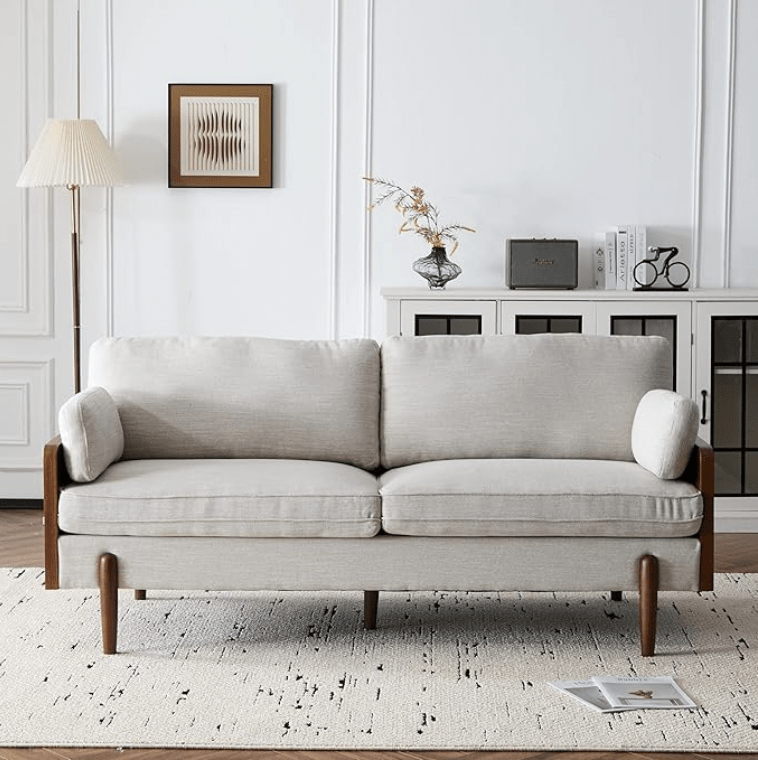
- one structured piece (sofa, credenza, or console)
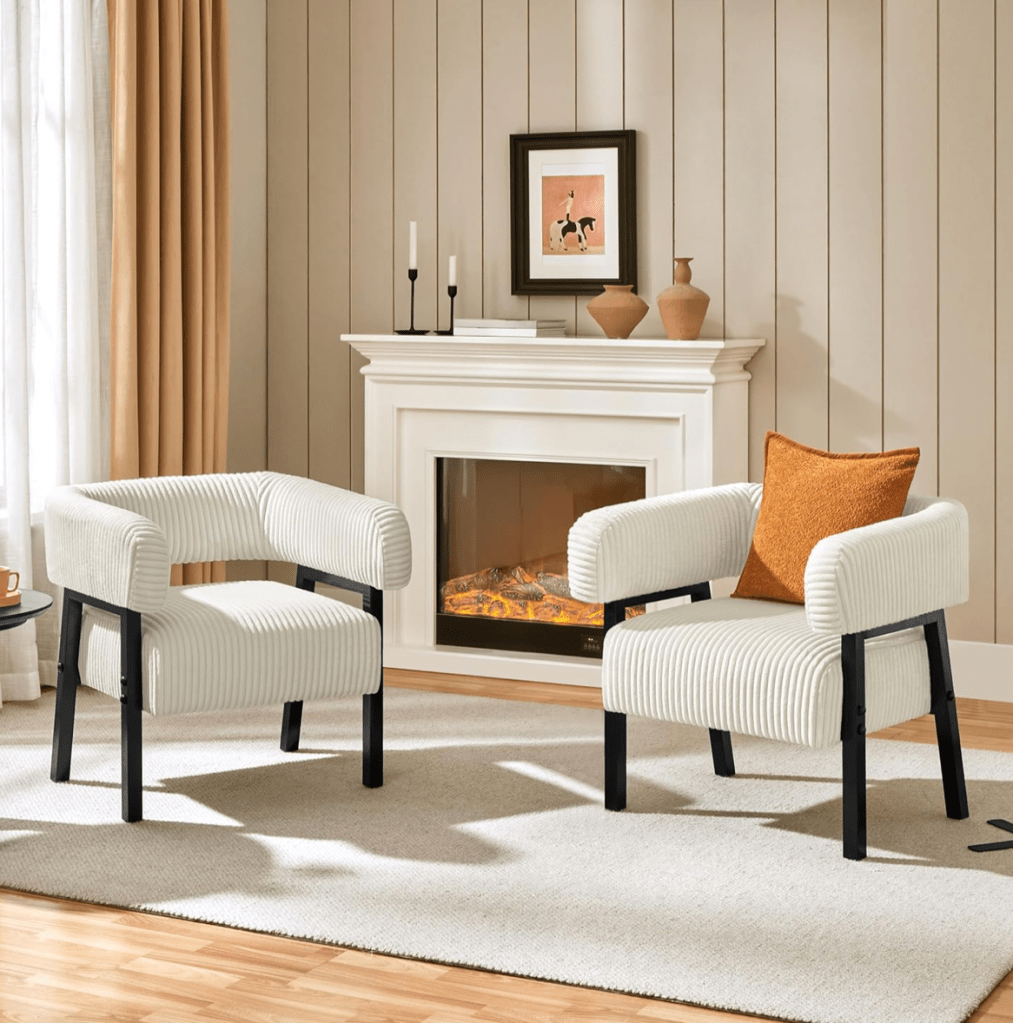
- one soft, inviting piece (bouclé chair, linen sofa, or curved bench)
This contrast keeps the room visually interesting while still feeling comfortable and livable.
*All photos are linked to the exact products. For additional ideas,
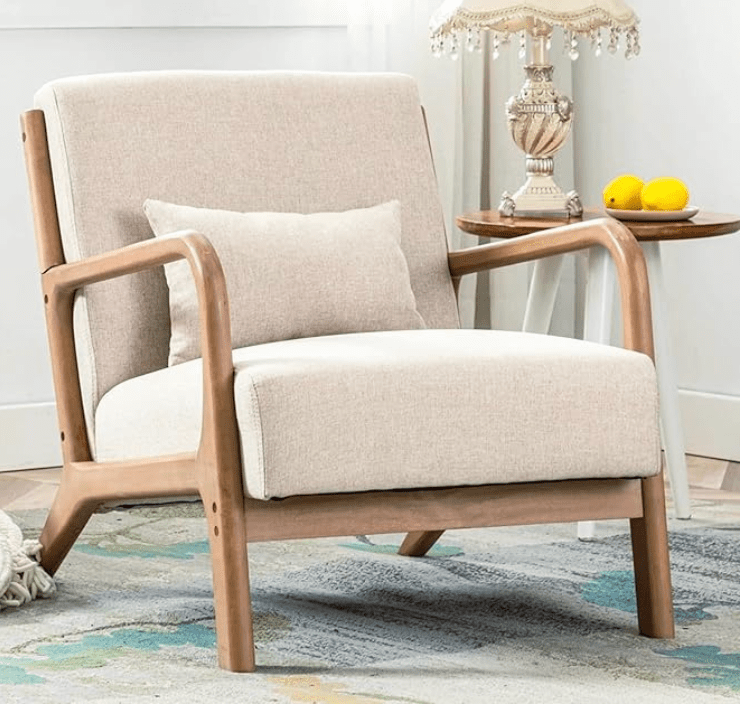
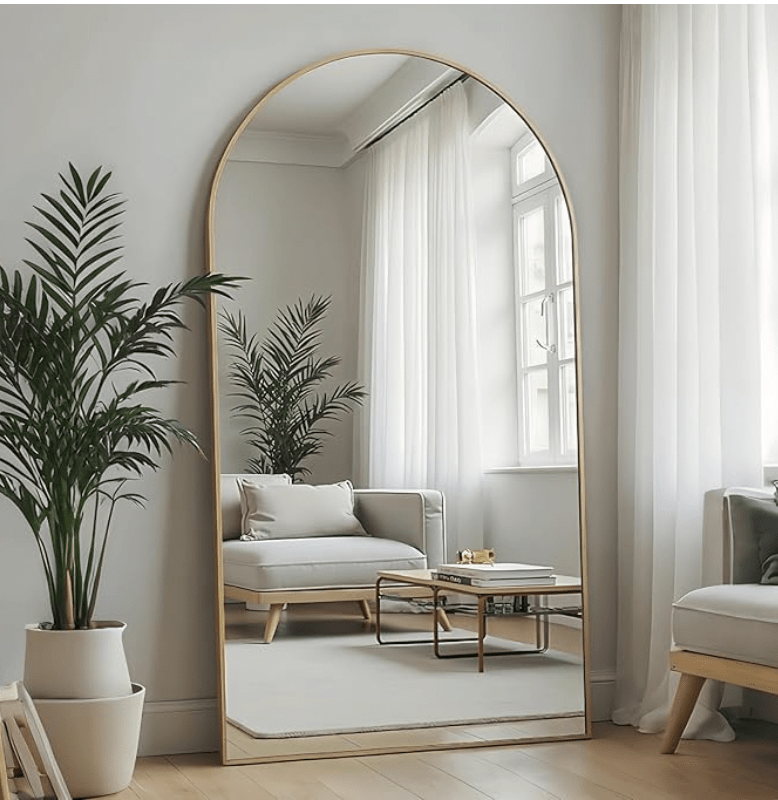
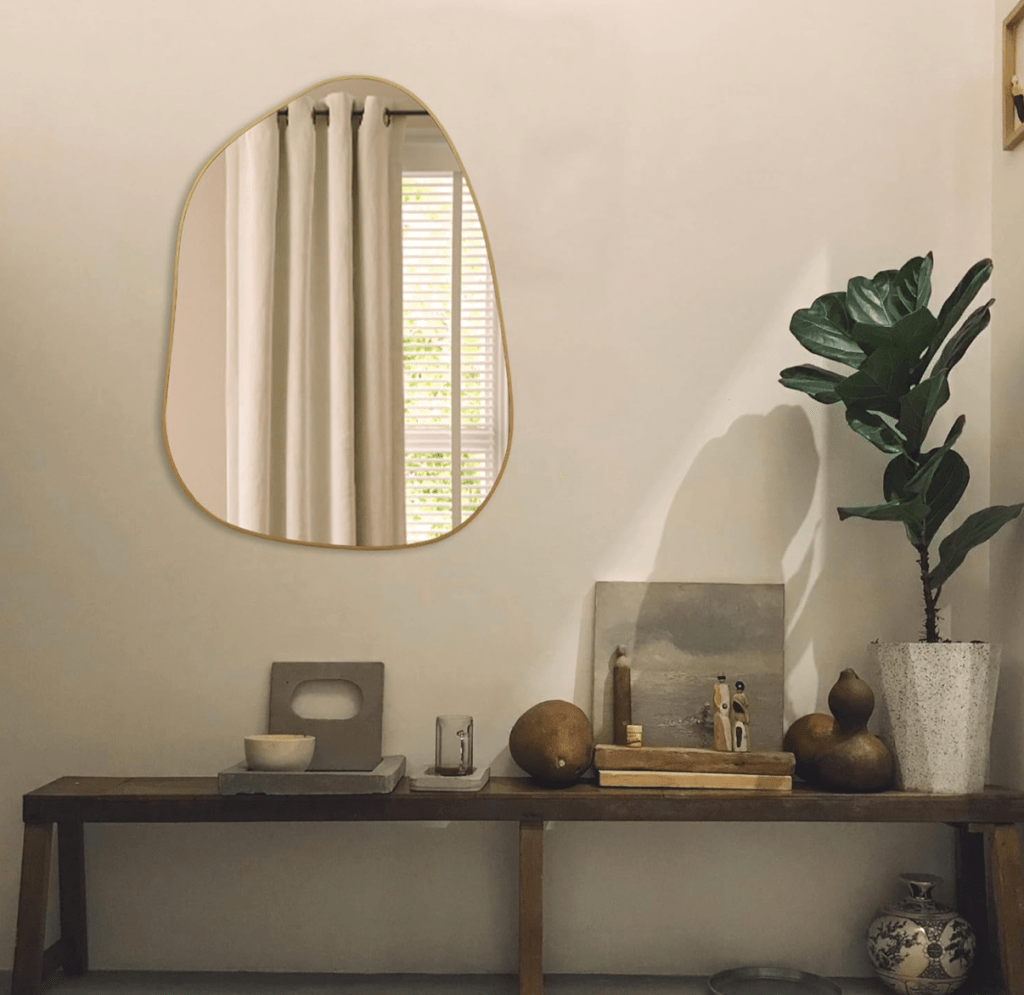
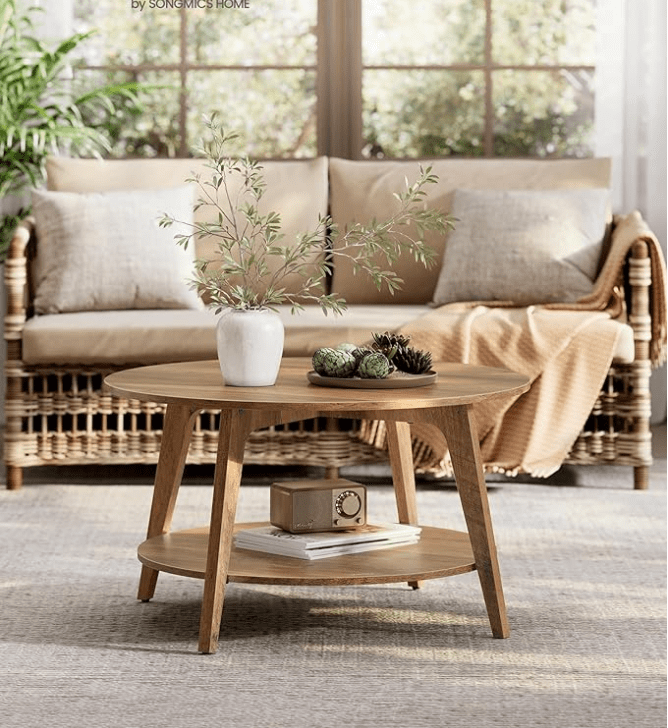
4. Use Curves to Soften Modern Lines
Clean lines are part of modern design — but organic modern spaces soften those lines with curves.
Designers often incorporate:
- arched mirrors or doorways
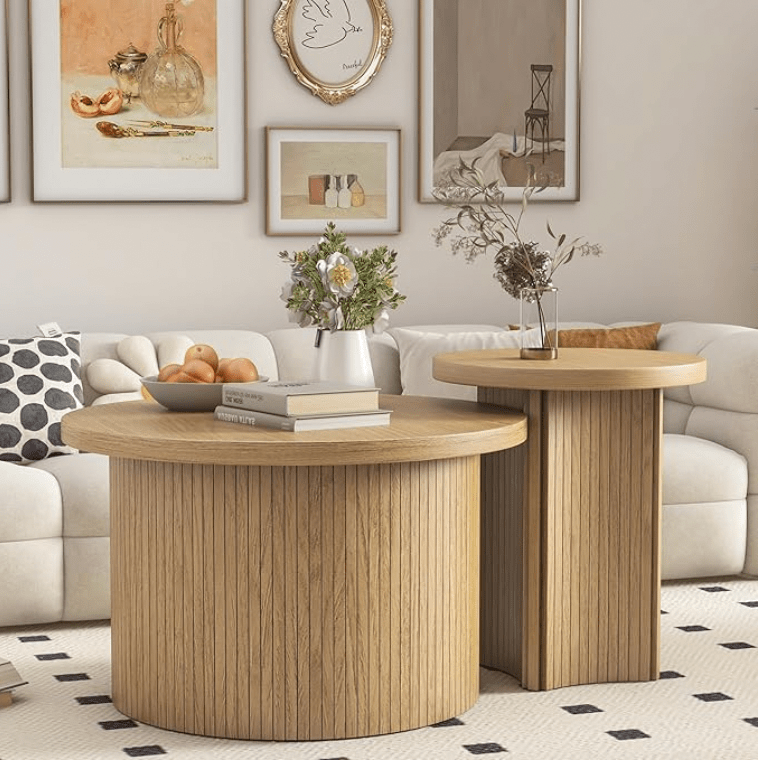
- rounded coffee tables
- sculptural lighting
- curved-backed chairs
Even one or two curved elements can dramatically change the feel of a living room.
*All photos linked to exact products! Or shop all my favorites here:
- Designer favorite mirrors: Here
- Wood accents: Here!
- Designer couches and chairs with a reasonable price: Here!
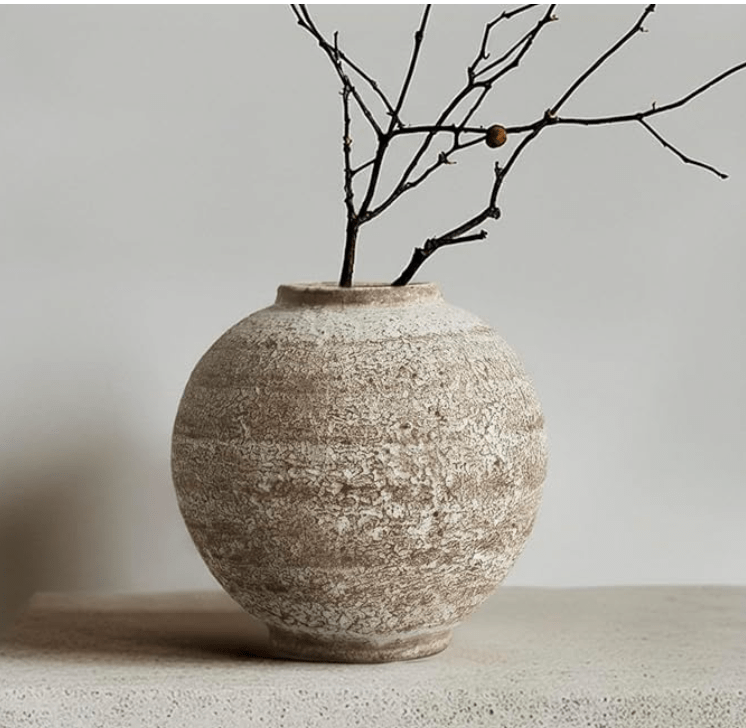
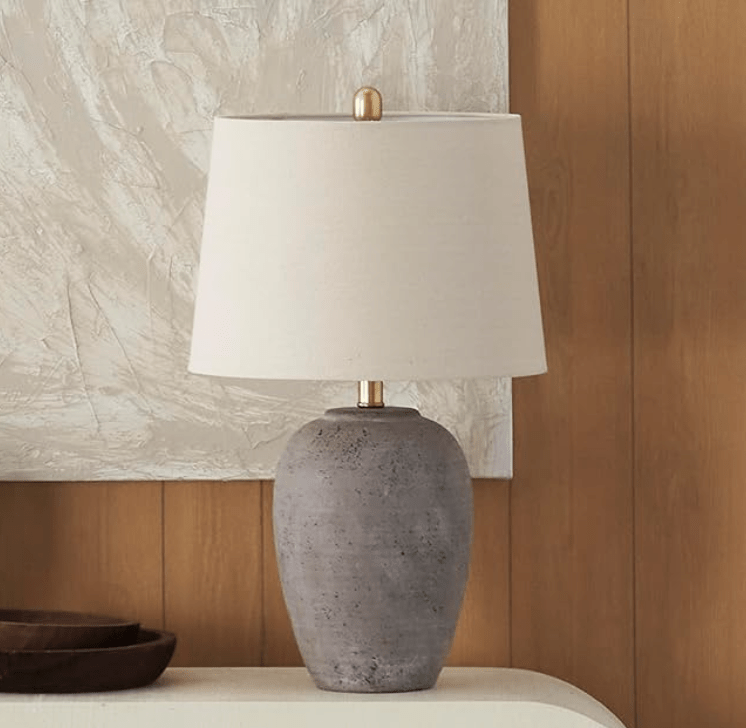
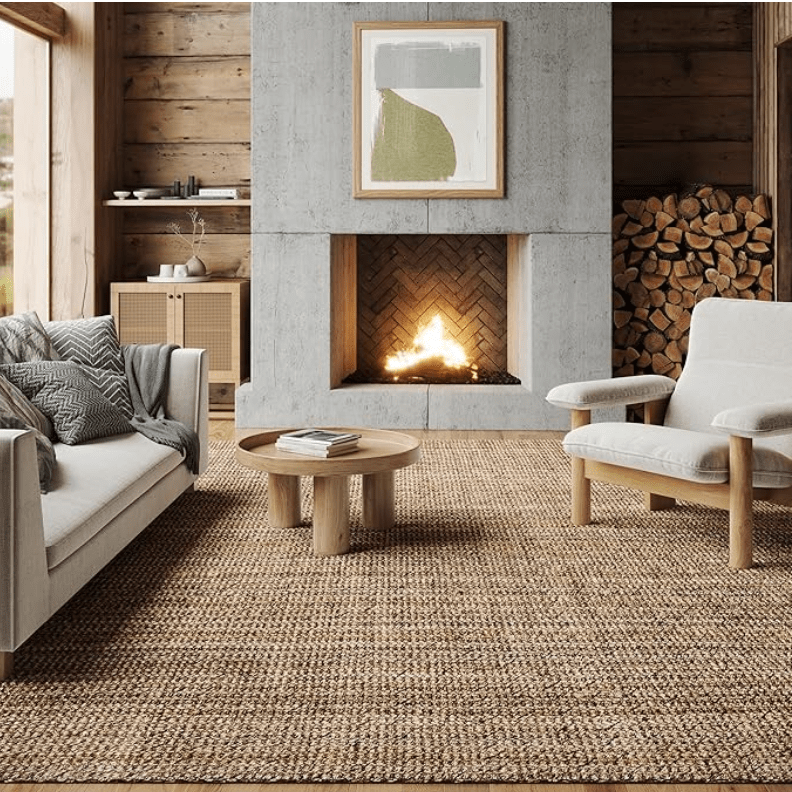
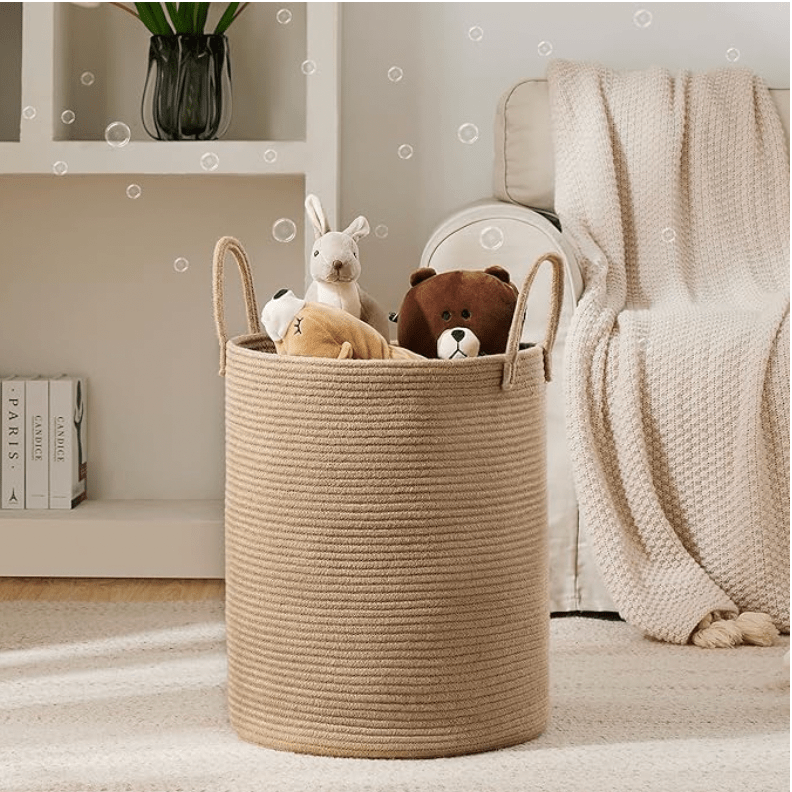
5. Layer Textures Instead of Adding Color
Rather than relying on bold colors, organic modern living rooms feel rich through texture layering.
Designers mix:
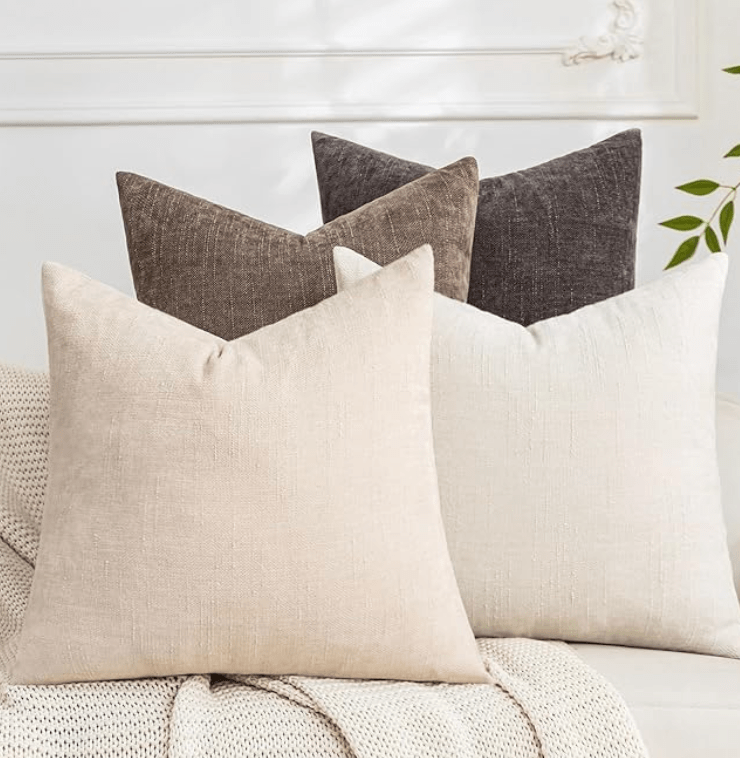
- linen, wool, or cotton textiles (Curated list here!)
- woven baskets or jute rugs (Curated list here!)
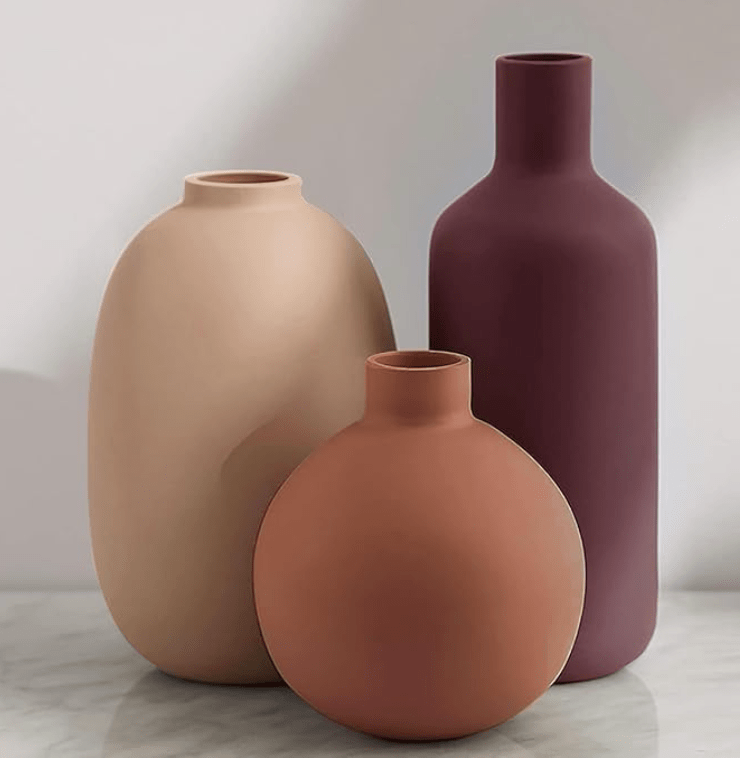
- raw wood and matte ceramics or stone (Curated list here!)
Keeping the color palette minimal allows texture to do the heavy lifting.
6. Keep Contrast Subtle and Intentional
High contrast can quickly push a space into a more dramatic or modern direction. Organic modern design works best when contrast is soft.
Instead of black-and-white extremes, designers use:
- charcoal instead of black
- warm browns instead of deep espresso
- layered neutrals at varying depths
This creates dimension without overwhelming the room.
7. Let Negative Space Be Part of the Design
One of the most overlooked rules designers swear by is restraint.
Organic modern living rooms are not filled wall-to-wall. Instead:
- furniture is given room to breathe
- decor is intentionally minimal
- empty space is treated as a design element
Less clutter allows the materials, shapes, and textures to stand out.
Final Thoughts
Organic modern living rooms aren’t about following trends — they’re about creating spaces that feel calm, grounded, and timeless. By focusing on warm neutrals, natural materials, soft contrasts, and thoughtful restraint, designers create rooms that age beautifully.
If you’re refreshing your living room, start with just one or two of these rules and build from there.
Save this guide for reference the next time you’re designing or rethinking your space 🤍
This post may contain affiliate links. If you make a purchase through these links, I may earn a small commission at no additional cost to you. Thank you for supporting DesignDay.blog.
 designday.blog
Leave a comment